Know Your Body Frame
Before you style anything, you’ve got to know what you’re working with. Forget the trending aesthetics for a second this is about understanding your frame, not fitting into a mold. There are a handful of classic body shapes pear, rectangle, apple, hourglass but most people sit somewhere between a few. Labels don’t matter. Clarity does.
Start with basics: Are your shoulders broader than your hips? Do you carry more volume in your lower half? Is your waist naturally defined, or more straight through? These details help.
Proportions drive everything. A top might look great on someone else and fall flat on you not because of the style, but because of how it interacts with your shape. Key checkpoints: shoulder width sets your top half’s visual weight, waist definition determines where lines and breaks look best, and leg length guides hem placement and silhouette flow.
Once you know the map of your frame, it’s a lot easier to decide what serves it and what doesn’t. Clothes aren’t magic. Precision is.
Play With Silhouette
Good proportion isn’t about size it’s about balance. Start with structure. If you’re going boxy on top, go sleek on bottom. Think cropped jacket over slim pants. Flip it, and you’ve got wide leg trousers with a closer fitting top. It’s less about trends and more about creating shape where you want it.
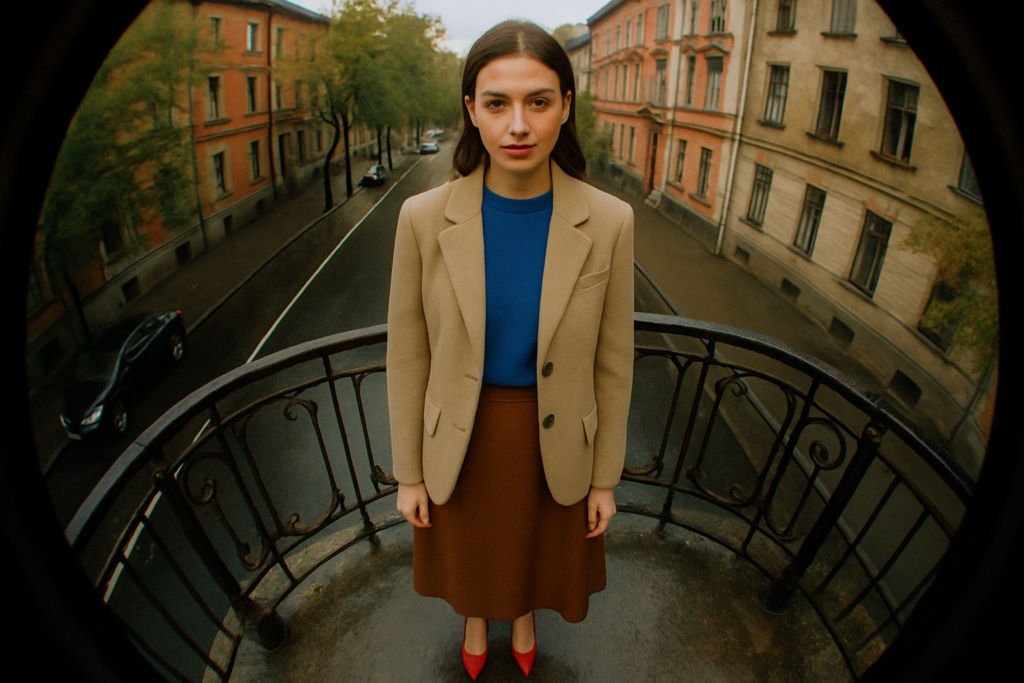
Tailoring’s your shortcut to shape. A blazer that nips in at the waist, a shirt with darts, even a cleanly cut vest can all fake a more balanced frame. Layers help too. A longline coat over a shorter dress gives instant vertical lift. A cropped sweater over a longer button down? Same deal, just inverted.
And vertical lines? Those are your best friend. Pinstripes, zippers, a row of buttons, a deep V neck they all lead the eye up and down. That elongates. It minimizes bulk. It’s one of the simplest ways to look more balanced without trying too hard. If in doubt, aim for clean lines and structure that adds clarity not clutter to your outline.
Nail the Fit, Every Time
Looser can be a vibe but only if it’s intentional. There’s a fine line between relaxed and sloppy. The goal is ease without excess. A roomy blazer or baggy trousers can add character, but if the shoulders sag or the hem swallows your shoes, you’ve gone too far. Volume is a tool, not a rule. Try pairing one oversized piece with something slim or structured to keep shape in play.
Here’s where the rule of thirds steps in. Visually breaking your outfit into 1/3 top and 2/3 bottom (or the reverse) creates balance without much effort. It’s why cropped jackets look sharp over wide pants, or why high waisted skirts work so well with tucked tops. This proportion trick keeps the eye moving in all the right ways.
As for tailoring vs. sizing up tailoring always wins when you want polish. Oversized tees, hoodies, and denim can be styled right off the rack, but suits, trousers, and structured pieces usually need a nip and tuck to land well. If something feels off in the fit, don’t ditch it; adjust it.
Use Color to Create Balance

Color isn’t just an aesthetic choice it’s a powerful tool for shaping the way your silhouette is perceived. When thoughtfully applied, it can elongate, minimize, or highlight specific parts of your body.
Shade Placement Matters
The rule of thumb: wear darker colors on areas you want to downplay, and lighter tones where you want to draw the eye.
Darker shades: Visually slim and recede (great for outer thighs, hips, or bust).
Lighter tones: Highlight and bring volume (ideal for shoulders, chest, or areas you want to emphasize).
Mid tones: Use these to soften transitions between light and dark or to create a cohesive look.
Elongate with Monochrome
Wearing a single color (or shades of the same color) from head to toe creates a seamless line that can elongate your figure effortlessly.
Stick to one color family blacks, beiges, navies, or even bold tones like rust or forest green.
Layer shades through texture rather than contrast to keep it visually interesting.
Use accessories in a similar tone for a streamlined statement.
Master Strategic Color Blocking
Color blocking isn’t just a trend it’s a strategy. Place contrasting colors where you want people to look, and use it to visually restructure your silhouette.
Vertical blocks elongate and slim your figure.
Horizontal blocks can widen or shorten an area use selectively.
Try color panel dresses, high waisted two tone trousers, or jackets with shaped contrast sections.
The key is to use color with intention it should support the proportions you want to highlight, not fight against them.
Build on a Strong Foundation
Every balanced look starts with the right building blocks. Invest in versatile, seasonless pieces that do the heavy lifting so you don’t have to overthink every outfit. Think structured blazers that clean up your silhouette, wide leg trousers that add movement without bulk, and clean lined dresses that shape the body without clinging. These staples bring instant polish with minimal effort.
You don’t need a massive wardrobe just smart, well cut items that play nicely with everything else you own. A strong edit of go to staples means you’re never starting from scratch. Plus, quality pieces keep their form, which keeps your proportions looking sharp. To build a durable, balanced wardrobe that holds up over time, check out these timeless classic fashion essentials.
Accessorize with Intention
Accessories aren’t afterthoughts they’re balance tools. A belt isn’t just functional; it gives the waist definition and can instantly create shape where there wasn’t any. Wide or narrow, placed high or low, choose based on what you’re trying to emphasize or downplay.
Statement shoes ground the look. They can anchor an oversized silhouette or give lift to a streamlined one. Think about weight and proportion chunky sneakers can balance out strong shoulders, while minimal heels elongate the leg with a cropped pant.
Jewelry, especially around the face, does more than dazzle. It frames your features and draws the eye upward. Long earrings or layered necklaces create vertical lines, which add the illusion of symmetry and length. Use them deliberately they’re small, but they shift the entire equation.
Small Moves, Big Impact
You don’t always need a full outfit overhaul sometimes the quickest tweaks make the difference. Start with the half tuck. It’s simple: tuck in just the front or side of your top. This breaks up a straight line, creates shape, and gives off a bit of effort meets style energy.
Next, play with layers and length. A longer coat or open button down draws the eye down and can balance out shorter or wider proportions. It also gives you coverage without bulk. When in doubt: add flow, not fluff.
Finally, pay attention to clothes that cinch or drape. A belted waist brings focus to your midsection and creates definition. Drape y tops or asymmetrical hemlines shift attention where you want it. The trick is to highlight what you want seen and soften the rest. Thoughtful choices, minimal fuss, maximum effect.
Stick With What Works
When it comes to dressing for balance, the flashiest new trend won’t do you any favors if it fights your natural proportions. The smarter move? Reach for timeless staples that know how to pull their weight. That fitted blazer you reach for on autopilot? It earns its keep every time.
Start with pieces built to flatter your body clean cuts, classic shapes, and solid fabrics that follow your lines instead of hiding them. These aren’t the loudest items in your closet, but they’re the ones you keep coming back to because they just work. Trends come and go, but balance is forever.
Not sure where to begin? Check out these classic fashion essentials to find the kind of wardrobe anchors that always come through, no matter the season or latest must have.
 Creative Director at Divine Glamour Trail, is the visionary behind the platform, which is dedicated to bringing readers the latest trends in hairstyles, beauty, and skincare. With a passion for timeless fashion and expert style guidance, George provides tips, secrets, and updates that empower individuals to enhance their personal style. His platform is a go-to source for anyone looking to stay ahead in the fashion game, combining modern trends with timeless elegance to help readers feel confident and look their best.