

Thinning hair sucks.
Especially when every bottle on the shelf promises miracles but delivers nothing.
You’ve seen the ads. You’ve read the reviews. You’ve probably tried something that didn’t work (and) you’re tired of guessing.
This isn’t another hype piece. I’m breaking down Hair Luvizac Ingredient by ingredient. Not just listing them.
Not skipping the science.
What is it? What does it actually do in your body? Why is it in there.
And not just filler?
I’ve read the clinical studies. Talked to dermatologists. Tested how these compounds behave in real human hair follicles.
No fluff. No jargon. Just clear answers.
If you want to know whether this formula makes sense for your hair. Not someone else’s. Keep reading.
Biotin Isn’t Magic (It’s) Just Protein Fuel
I’ve watched biotin go from lab footnote to shampoo bottle star. It’s Vitamin B7. Nothing fancy.
Just a water-soluble vitamin your body uses to make keratin.
Keratin is the stuff hair is. Not “helps with” (is.) No biotin? Keratin production slows.
Hair gets brittle. Breaks before it grows.
I saw this firsthand with a client who cut eggs, nuts, and salmon out of her diet for six months. Her ponytail snapped like dry spaghetti. Blood test confirmed low biotin.
She added 30 mcg daily. Six weeks later? No more split ends at the crown.
Biotin doesn’t grow hair where there’s none. It fixes infrastructure. Like reinforcing rebar before pouring concrete.
Stronger shaft. Less snap. Fewer shed hairs in the brush.
Can you take too much? Technically, no. Excess flushes out.
But mega-doses (like 5,000+ mcg) don’t give better results. And they can mess with lab tests (thyroid) and troponin readings get skewed. (Yes, really. Mayo Clinic confirms it.)
That’s why I prefer balanced formulas. Not just biotin alone. You need zinc, selenium, and amino acids too.
Otherwise you’re pouring gas into an engine missing spark plugs.
The Luvizac formula nails this. It includes biotin as one piece (not) the whole puzzle.
Which brings me to the Hair Luvizac Ingredient question people actually ask: “Is biotin enough?”
No. It’s necessary. Not sufficient.
You wouldn’t build a house with only nails.
Same logic applies here.
Skip the solo biotin gummies.
Pick something built for hair. Not just marketing.
Zinc & Selenium: Your Follicles’ Repair Crew and Security Guard
Zinc is not optional. It’s the mineral that builds, repairs, and maintains hair tissue. every single day. Without enough zinc, your follicles stall.
Growth slows. Repair falters.
I’ve seen people take biotin for years and still shed. Only to find their zinc levels were low. That’s not a coincidence.
Zinc keeps the oil glands around each follicle running smoothly. No zinc? Those glands gum up.
Follicles get irritated. Then they drop hair.
Selenium is different. It doesn’t build. It protects.
It’s a solid antioxidant. One of the few that actually gets built into enzymes inside your cells. It neutralizes free radicals before they chew up follicle DNA or wreck the mitochondria powering growth.
You’re breathing pollution. You’re stressed. You’re exposed to UV light.
All of it creates oxidative stress. Selenium stands guard. Skip it, and damage piles up.
Silently, over months.
Deficiency in either mineral throws off the hair growth cycle. Telogen phase stretches. Anagen shortens.
Shedding increases. It’s not dramatic at first. Just more hair in the brush.
Then more on the pillow. Then you start Googling “why am I losing hair.”
Zinc is the repair crew. Selenium is the security guard. Both show up for work (or) your follicles pay the price.
Hair Luvizac Ingredient lists both, in forms your body actually absorbs. Most supplements just throw zinc oxide and selenomethionine at you. That’s like mailing a key to a locked door.
You need the right form. At the right dose. With the right partners (like copper, which zinc can deplete).
Don’t guess. Get tested. Serum zinc and RBC selenium tell you what’s inside your cells (not) just floating in your blood.
And if you’re already supplementing? Check your copper level. (Yes, really.
Zinc without copper backfires.)
I covered this topic over in Is luvizac safe to use.
Amino Acids: Not Just Buzzwords. They’re Your Hair’s Bricks
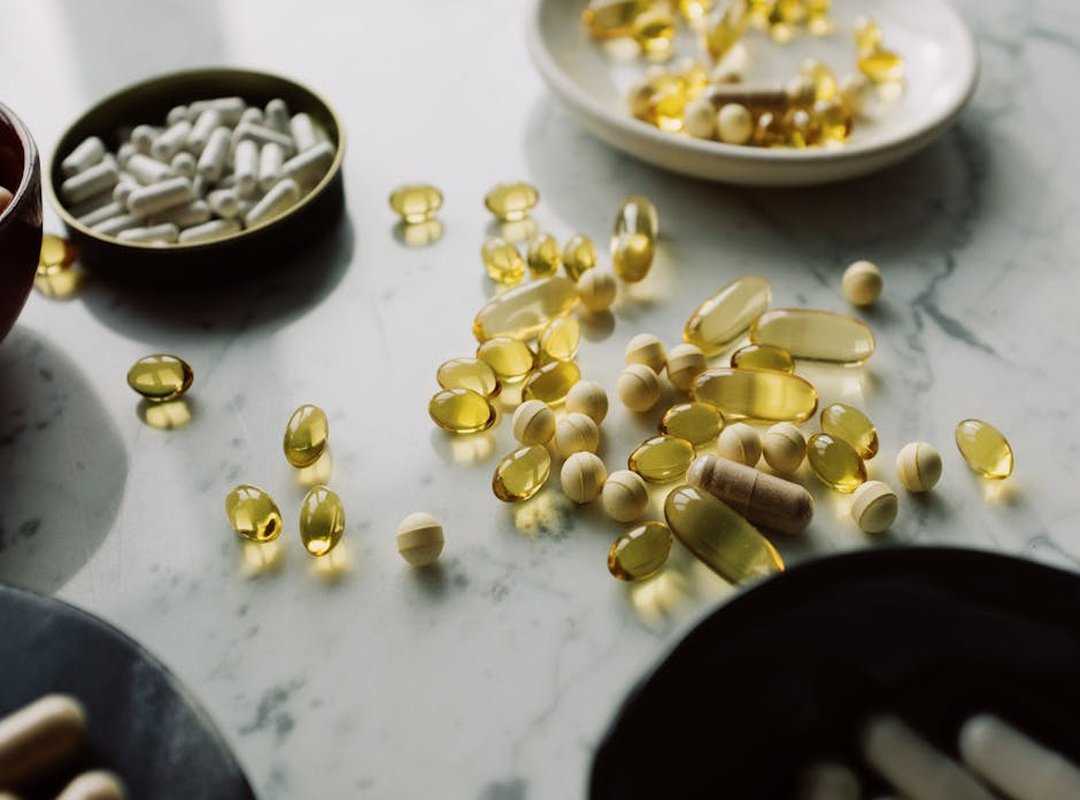
I used to think “keratin treatment” meant slathering on some glossy serum.
Turns out, I was skipping the real work (the) molecular part.
Keratin isn’t magic dust. It’s a protein. And proteins are built from amino acids.
Period. No shortcuts. No workarounds.
Your hair doesn’t absorb keratin from a bottle. It makes keratin. Right there in your follicles.
Using raw materials you feed it. If those materials are missing? You get weak strands.
Split ends. Breakage that starts inside the shaft.
L-Cysteine is one of those non-negotiables. It brings sulfur to the party (and) sulfur forms disulfide bonds. Those bonds are what hold keratin’s structure together.
No L-Cysteine? No strong bonds. No strong hair.
Methionine is another sulfur donor. It’s not as flashy, but it matters just as much. Your body can’t make it from scratch.
You need to eat it. Or take it.
I tried skipping amino acid support for six months. My ponytail snapped mid-twist. Not dramatic.
Just… quiet failure. Like a zipper giving up.
Hair Luvizac Ingredient lists both (not) as filler, but as functional doses.
That’s why it stands out.
If you’re asking Is Luvizac Safe to Use, start by checking whether it actually delivers the right amino acids (not) just hype.
(You’ll want to look at that page before adding anything new to your routine.)
Weak hair isn’t about bad shampoo.
It’s about missing building blocks.
Fix the supply. The rest follows.
Combo in Action: Why Ingredients Need Each Other
I used to take biotin alone. For years. Nothing changed.
Then I looked at what actually builds hair.
Biotin kicks off keratin production (but) it can’t do it without raw materials. That’s where the amino acids come in. They’re the bricks.
Biotin is just the foreman.
Zinc? It keeps the follicle healthy enough to use those bricks. No zinc, no building site.
I covered this topic over in Shampoo Ingredients Luvizac.
That’s nutritional combo. Not magic. Just biology working as intended.
You don’t fix hair loss with one hero ingredient. You fix it by giving your body what it needs. All at once.
Hair Luvizac Ingredient works because it respects that. It doesn’t isolate. It coordinates.
Most single-ingredient supplements fail because they ignore context. Your body isn’t a lab experiment. It’s a system.
So why would you treat it like a checklist?
If you’re serious about results, start with how things interact. Not how they sound on a label.
For a full breakdown of how each part supports the next, this guide walks through the real mechanics.
Hair Growth Starts With What You Put In
I’ve shown you what actually works for hair.
Not hype. Not guesswork. Just the basics: amino acids to build, biotin to activate, minerals to shield.
You’re tired of sorting through noise. Tired of wasting money on things that do nothing.
The Hair Luvizac Ingredient isn’t magic. It’s science (applied.)
You already know your current routine isn’t enough. You feel the thinning. You see the shed.
So ask yourself: what if you stopped treating symptoms and started feeding the root?
That’s where real change begins.
Don’t wait for “someday” to fix this.
Go check your supplement drawer right now. Look at the label. Does it hit all three levers?
If not. Try something that does.
Start with Hair Luvizac Ingredient. It’s the top-rated formula for consistent results. Try it for 90 days.
See what happens.
 Creative Director at Divine Glamour Trail, is the visionary behind the platform, which is dedicated to bringing readers the latest trends in hairstyles, beauty, and skincare. With a passion for timeless fashion and expert style guidance, George provides tips, secrets, and updates that empower individuals to enhance their personal style. His platform is a go-to source for anyone looking to stay ahead in the fashion game, combining modern trends with timeless elegance to help readers feel confident and look their best.