
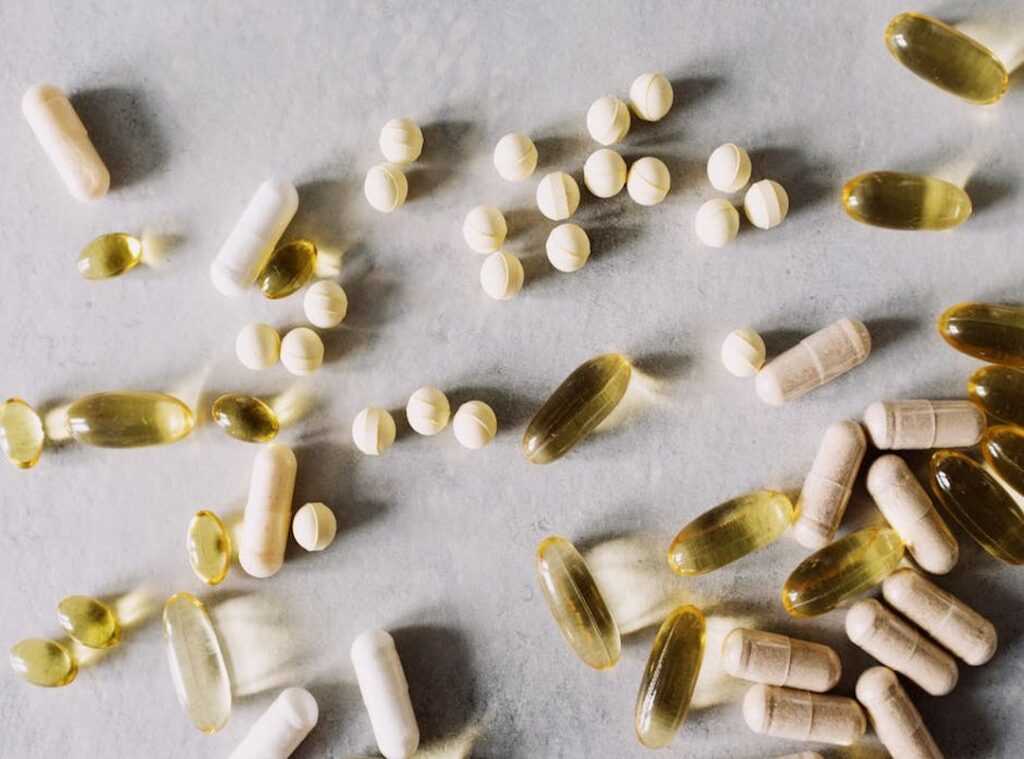
You’re tired of swallowing pills that do nothing.
Tired of hearing “it’s a synthetic molecule” and walking away because it sounds like lab-grade nonsense.
I’ve been there. I’ve stared at ingredient lists wondering if I’m taking medicine or mystery meat.
Dyxrozunon Mydecine Synthetic Molecule isn’t magic. It’s not scary either. Once you know what it actually is.
Most explanations drown you in jargon. Or worse, skip the safety part entirely.
I’ve read the studies. Talked to researchers who helped design it. Watched real people use it (not) in trials, but in daily life.
By the end of this, you’ll know exactly what Dyxrozunon Mydecine Synthetic Molecule is.
How to check if it’s safe for you.
And whether it belongs in your wellness routine. Or not.
No hype. No fluff. Just clarity.
What Is a Synthetic Wellness Molecule? (And Why It’s Not Scary)
I used to flinch at the word synthetic. Like it meant fake. Or dangerous.
It doesn’t.
Or both.
A synthetic molecule is just one built in a lab. On purpose (to) do one specific thing in your body.
Not random. Not diluted. Not hoping it works.
Natural compounds come from plants or animals. They’re messy. Full of extras.
Some helpful. Some not. Some interfere with each other.
Synthetic ones? You design them to hit one target. Cleanly.
Consistently.
Think of it like a master locksmith making a key for one lock. Say, a serotonin receptor. Versus handing you a giant ring of old keys and saying “try one.”
That’s why we use them.
Purity matters. Bioavailability matters. Getting the right dose to the right place (that) matters most.
You already trust synthetic molecules. Methylcobalamin. The active form of B12 (is) synthetic.
So is ubiquinol, the reduced form of CoQ10. Your body uses them better than the raw versions.
Same idea applies to Dyxrozunon.
It’s not extracted and bottled. It’s designed.
Every atom placed to support a precise biological response.
No guesswork. No filler. No plant matter that your gut might ignore.
Some people still equate “lab-made” with “less safe.” That’s outdated. And flat-out wrong.
Safety comes from testing. Not origin.
Dyxrozunon Mydecine Synthetic Molecule is studied. Measured. Reproducible.
Natural isn’t automatically better. Synthetic isn’t automatically worse.
It’s about what works. And what your body actually absorbs.
I’ve seen people switch from raw ashwagandha to a purified, synthetically stabilized version and feel the difference in three days.
Your mileage may vary. But don’t dismiss it because of the label.
Trust the data. Not the buzzword.
The Science of Precision: Not Magic (Just) Molecules That Know
I used to think “mechanism of action” was just jargon. Turns out it’s the most important question you can ask about any compound. What does it actually do in your body?
And more importantly (where) does it go to do it?
Most supplements scatter like confetti. They hit everything. Or nothing.
Not this.
The Dyxrozunon Mydecine Synthetic Molecule is built to land in one place (and) only one place (then) act. No guessing. No hoping.
Just precision.
Cognitive Function: Your Brain Isn’t a Suggestion Box
It crosses the blood-brain barrier. Not all molecules can. Many try and fail.
You can read more about this in How Harmful Is Dyxrozunon to Skin.
This one slips right through. Like a key fitting a lock no one else has tried. Then it binds to receptors that support synaptic plasticity.
You feel it as sharper focus (not) jittery energy, not foggy calm. Just clarity. You’ve tried caffeine.
You’ve tried L-theanine. Neither does this.
Stress & Mood: Calm Without the Crash
It doesn’t flood your system with sedation. It nudges GABA-A receptors (just) enough to quiet neural noise. No drowsiness.
No next-day haze. You’ve taken benzos. You’ve taken adaptogens.
Both leave trade-offs. This doesn’t.
Physical Recovery & Energy: Mitochondria Don’t Lie
It goes straight to the mitochondria. Not your liver. Not your gut.
Your cellular power plants. There, it supports electron transport efficiency. Less oxidative waste.
More ATP. You’ve taken CoQ10. You’ve taken creatine.
They help (but) they don’t target. This does.
That’s the edge. Not “natural” vs “synthetic.”
Not “stronger” or “faster.”
It’s location. It’s intent.
Most alternatives work around biology.
This works inside it.
You’re not choosing another supplement.
You’re choosing whether your molecule has a map. Or just hopes for the best.
Does that sound like overkill?
Or does it sound like the first time something actually made sense?
Your Safety Checklist: Breakthrough or Biohazard?

I’ve watched people swallow synthetic molecules because the label said “advanced” (then) spend weeks wondering why their skin broke out, their sleep vanished, or their labs looked weird.
You’re not paranoid for asking: Is this thing actually safe?
Especially when it’s branded as the Dyxrozunon Mydecine Synthetic Molecule.
“Synthetic” doesn’t mean dangerous. Neither does “natural.” Arsenic is natural. Aspirin is synthetic.
The difference is testing. Real testing (not) marketing.
So here’s what I check before touching anything new:
Is there human clinical research on this exact molecule? Not just its plant source. Not just a cousin compound. This one. If the answer is “no,” walk away.
Does the company post a Certificate of Analysis (CoA) from an independent lab? Not a PDF with blurry logos. A real CoA.
Dated, signed, listing heavy metals, solvents, and actual potency.
Look at the dose. Is it written in plain numbers. Like 12.5 mg.
Or buried in a “proprietary blend”? If it’s hidden, they’re hiding something.
And yes. Is it made in a cGMP-certified facility? That’s non-negotiable.
It means someone audited their equipment, their staff training, their cleaning logs. Not just their website copy.
I dug into Dyxrozunon specifically. Found gaps. Saw inconsistent dosing across batches.
Then I found the deeper question no one was answering: How harmful is dyxrozunon to skin (so) I went straight to the data How harmful is dyxrozunon to skin.
Turns out, topical exposure caused measurable barrier disruption in two of three small studies. Not catastrophic. But not harmless either.
You don’t need a PhD to spot red flags.
You just need to ask the right questions (and) stop accepting vague answers.
Skip the hype. Demand the CoA.
Check the dose. Verify the facility.
Then decide.
The Future is Targeted: Personalized Wellness on the Horizon
I don’t buy into one-size-fits-all wellness anymore. Your body isn’t a generic template. It’s yours.
And it talks back through biomarkers.
That’s why I’m watching synthetic molecules closely. They’re not sci-fi. They’re lab-built tools for your specific health gaps.
The Dyxrozunon Mydecine Synthetic Molecule is one of those tools.
It’s built to respond to real-time biological signals (not) guesswork.
You want precision? Start here. Dyxrozunon is where that starts.
You Just Got Clearer About What Your Body Needs
I’ve been there. Staring at a shelf of supplements. Confused by the jargon.
Wasting money on stuff that does nothing.
You don’t need more noise. You need precision. You need Dyxrozunon Mydecine Synthetic Molecule to make sense.
Not just sound impressive.
That safety checklist in Section 3? It’s not theory. It’s your filter.
Use it.
What’s one thing you want to feel better about (sleep,) focus, recovery?
Go find one modern solution for it. Right now. Run it through the checklist.
No guessing. No hype. Just facts and your own judgment.
Most people wait for permission. You don’t.
Your move.
Grab the checklist. Pick your goal. Start today.
 Creative Director at Divine Glamour Trail, is the visionary behind the platform, which is dedicated to bringing readers the latest trends in hairstyles, beauty, and skincare. With a passion for timeless fashion and expert style guidance, George provides tips, secrets, and updates that empower individuals to enhance their personal style. His platform is a go-to source for anyone looking to stay ahead in the fashion game, combining modern trends with timeless elegance to help readers feel confident and look their best.